

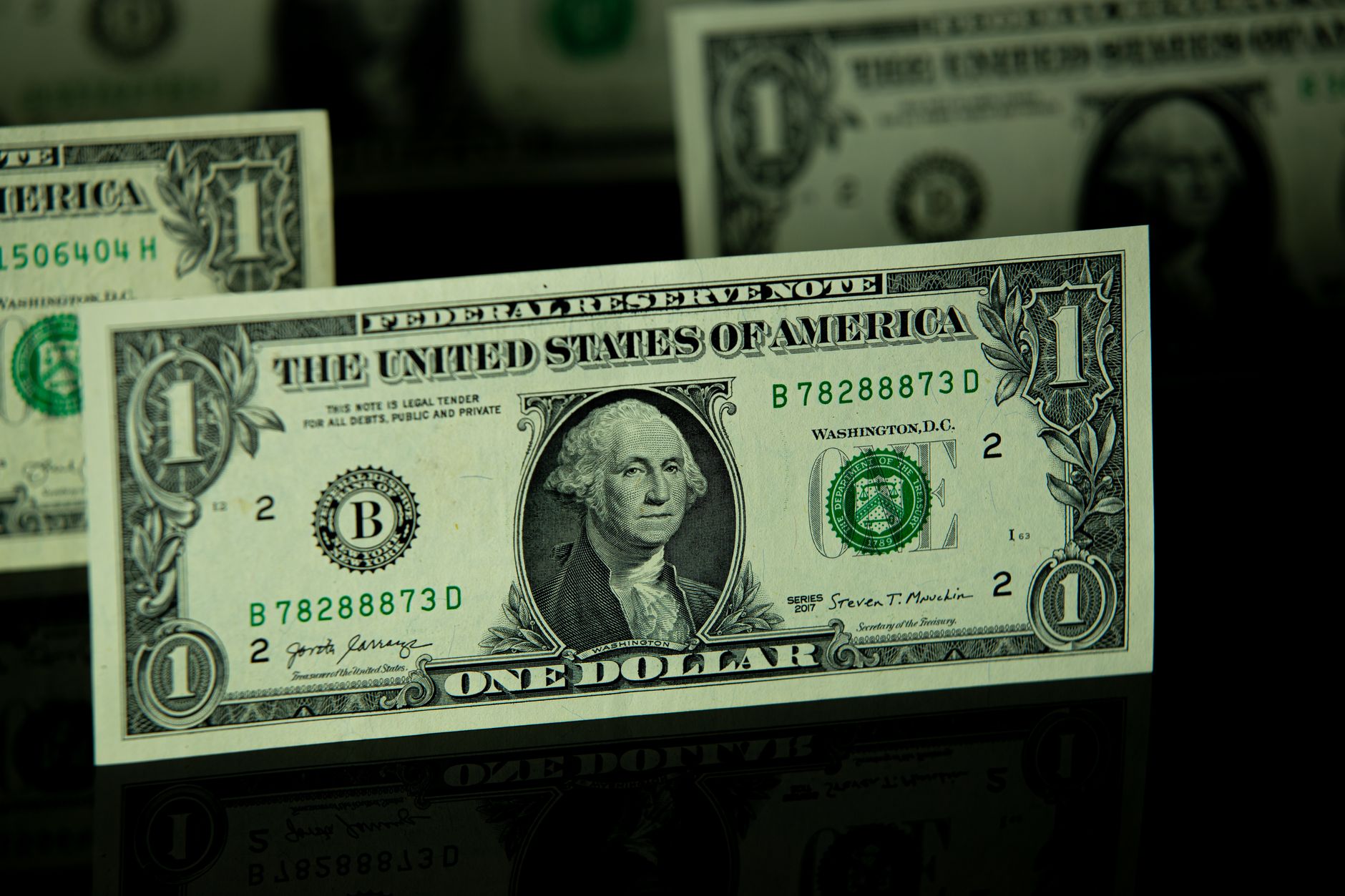
The US Fed rate hike impact is a critical concern for the Indian economy. Understanding how these changes affect various sectors can help stakeholders navigate potential challenges and opportunities.
Understanding the US Fed Rate Hike
The recent decision by the US Federal Reserve to hike interest rates has significant implications for the global economy, particularly for emerging markets like India. Understanding the US Fed rate hike impact is crucial for gauging how these changes may influence economic stability and growth prospects in India.
When the Fed raises rates, it typically leads to:
- Capital Outflows: Higher US interest rates can attract foreign investors, resulting in a shift of capital away from Indian markets.
- Inflationary Pressures: A strong dollar may increase the cost of imports, particularly oil, affecting inflation in India.
- Borrowing Costs: Indian businesses and consumers may face higher borrowing costs as domestic interest rates adjust in response.
- Currency Volatility: The Indian Rupee may depreciate against the dollar, impacting trade balances.
As these factors unfold, policymakers in India must remain vigilant to mitigate potential risks and harness opportunities for growth.
Impact on Indian Banking Sector
The recent US Fed rate hike has significant implications for the Indian banking sector. As interest rates rise in the United States, global liquidity tends to tighten, impacting capital flows to emerging markets like India.
Indian banks may face increased borrowing costs as they rely on foreign funds to support their operations. This can lead to:
- Higher Loan Rates: Consumers and businesses may experience increased loan rates, which could dampen borrowing and spending.
- Impact on Profit Margins: Banks may see a squeeze in profit margins if they are unable to pass on the full extent of their increased costs to customers.
- Weaker Currency: The Indian Rupee may depreciate further, increasing costs for banks that have foreign currency liabilities.
Overall, the US Fed rate hike impact is likely to challenge the stability and growth prospects of the Indian banking sector in the coming months.
Economic Ramifications for India
The recent US Fed rate hike has significant economic ramifications for India, influencing various sectors and the overall financial landscape. As the US central bank raises interest rates, the ripple effects are felt across emerging markets, including India. This hike tends to strengthen the US dollar, which can lead to capital outflows from Indian markets.
Furthermore, increased borrowing costs in the US can result in tighter liquidity conditions globally, affecting foreign investments in India. The Indian rupee often depreciates against the dollar during such times, making imports more expensive and potentially leading to inflationary pressures.
Key impacts on the Indian economy include:
- Increased borrowing costs: Higher rates may lead banks to raise interest rates for loans.
- Capital outflows: Investors may shift their focus back to the US for better returns.
- Trade balance challenges: A weaker rupee can exacerbate the trade deficit.
In summary, the US Fed rate hike impact is a critical factor for India’s economic stability and growth trajectory.
FOMC Outcomes Explained
The recent decisions by the Federal Open Market Committee (FOMC) have significant implications for the global economy, particularly regarding the US Fed rate hike impact on the Indian economy. The FOMC’s choice to adjust interest rates is primarily aimed at controlling inflation and stabilizing economic growth in the United States.
As a result, the Indian economy is likely to face multiple challenges:
- Capital Outflows: Higher interest rates in the US may lead to increased capital outflow from emerging markets, including India.
- Currency Fluctuations: The Indian Rupee might weaken against the US Dollar, affecting import costs and inflation.
- Cost of Borrowing: Indian businesses may encounter rising borrowing costs as global interest rates adjust.
- Investment Sentiment: Uncertainty regarding US monetary policy can dampen investor confidence in Indian markets.
These outcomes necessitate a careful assessment of the Indian economic landscape as it navigates the ramifications of the FOMC’s decisions.
Investor Reactions to Rate Changes
Investor reactions to the recent US Fed rate hike have been varied, reflecting concerns over the potential impact on the Indian economy. Many investors are closely monitoring how these rate changes will influence capital flows and borrowing costs.
Some key reactions include:
- Increased Volatility: The stock markets have experienced heightened volatility as investors reassess their portfolios in light of the Fed’s decisions.
- Shift in Investment Strategies: With interest rates expected to rise, investors are pivoting towards assets that may offer better returns amidst changing economic conditions.
- Foreign Investments: There is a cautious approach among foreign investors, with many evaluating the long-term implications of the US Fed rate hike on the Indian economy.
Overall, the sentiment suggests a cautious optimism, as investors hope for stability despite the challenges presented by the US Fed rate hike impact on emerging markets like India.
Long-term Effects on Growth
The recent US Fed rate hike has sparked discussions about its long-term effects on growth, particularly within the Indian economy. As the borrowing costs rise in the United States, capital inflows to emerging markets like India may see a decline. This shift could lead to a tightening of liquidity, affecting various sectors reliant on foreign investments.
Analysts suggest that the US Fed rate hike impact may also hinder the pace of infrastructure development in India. Without adequate funding, projects may face delays, ultimately stunting economic growth. Additionally, higher interest rates in the US can strengthen the dollar, making Indian exports less competitive on a global scale.
Moreover, domestic companies might struggle with increased costs of capital, potentially leading to reduced expansion plans. In the long run, these factors could result in slower GDP growth, necessitating strategic policy adjustments by the Indian government to mitigate these challenges.
- Decreased foreign capital inflows
- Reduced infrastructure development
- Increased costs for businesses
Comparative Analysis with Other Economies
The recent US Fed rate hike has not only affected the United States but has also sent ripples across global economies, including India. A comparative analysis reveals some critical insights into how different economies are responding to this monetary policy shift.
Countries such as Brazil and South Africa have experienced immediate capital outflows similar to India, reflecting vulnerability to external shocks. However, their central banks have reacted differently, with Brazil opting for aggressive interest rate adjustments to stabilize its currency, while South Africa has maintained a more cautious approach.
In contrast, advanced economies like Japan and the Eurozone show resilience, largely due to their diversified economic structures and lower dependency on foreign investments. This disparity highlights the unique challenges faced by emerging markets.
Overall, the US Fed rate hike impact underscores the interconnectedness of global markets and the necessity for India to bolster its economic fundamentals to navigate such external pressures effectively.
Future Projections for Indian Markets
As the reverberations of the US Fed rate hike impact continue to be felt across global markets, future projections for the Indian economy remain cautiously optimistic. Economists suggest that while the immediate effects of rising interest rates may pose challenges, they also present unique opportunities for growth.
Key projections include:
- Increased Foreign Investment: With a more stable Indian economy, foreign investors may find opportunities in sectors poised for expansion.
- Monetary Policy Adjustments: The Reserve Bank of India may adjust its policies to counteract inflationary pressures, impacting loan rates.
- Sectoral Growth: Sectors such as technology and renewable energy are expected to attract investment despite the US Fed rate hike impact.
- Export Dynamics: A stronger dollar could affect exports, requiring Indian businesses to innovate and improve competitiveness.
Overall, while uncertainties loom, the adaptability of the Indian markets could mitigate some negative consequences of global financial shifts.
The US Fed rate hike impact is expected to influence the Indian currency, potentially leading to increased volatility in the forex market. Additionally, businesses may face higher borrowing costs as the US Fed rate hike impact ripples through global interest rates.
Photo by Sergei Starostin on Pexels
Read the original
Related reading
- Cloud Counselage funding: INR 40 Crore Seed Round Success
- Cloud Counselage funding: INR 40 Crore Seed Round Success
- AI regulations: Are They the Right Move for Business?