

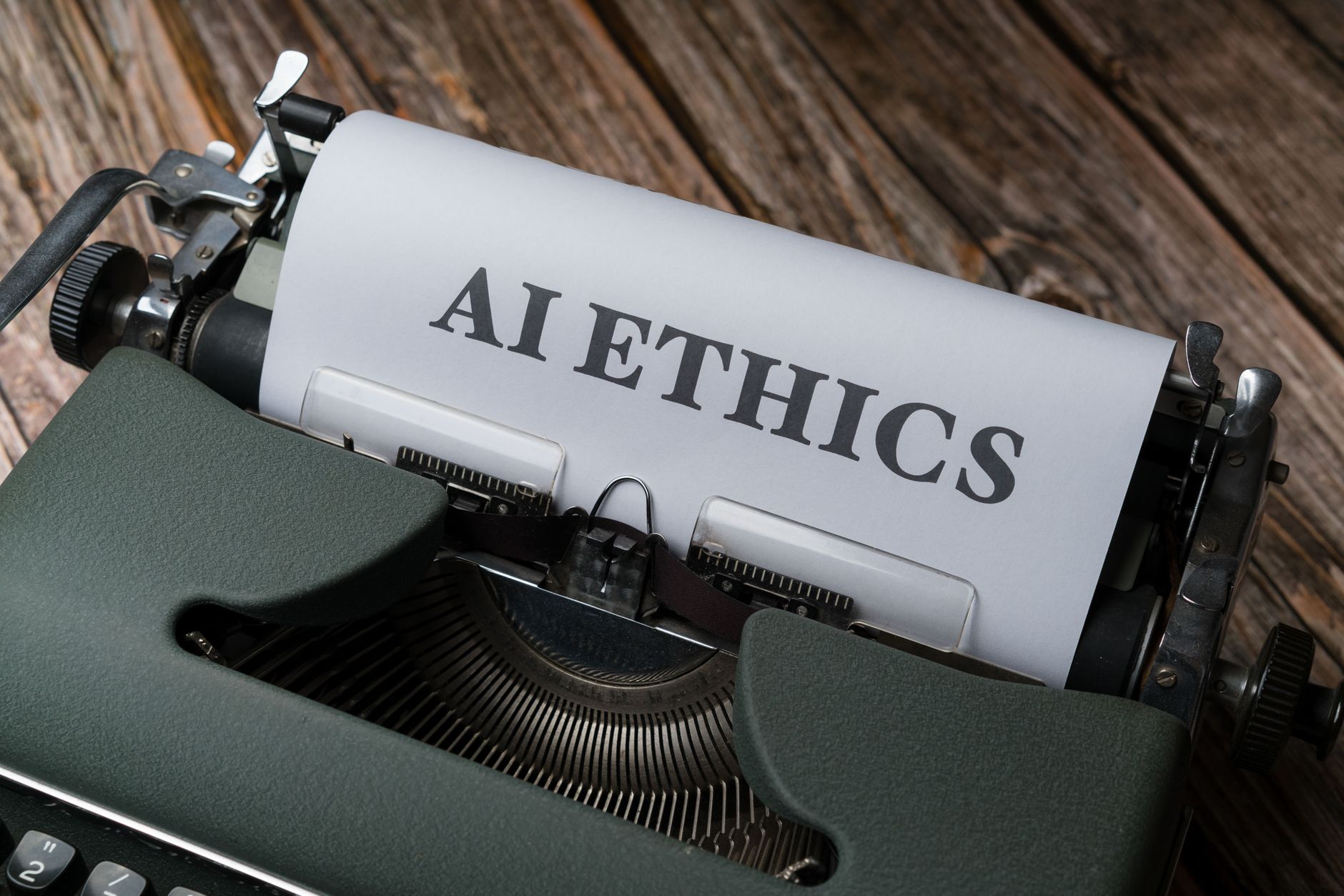
AI regulations are at the forefront of discussions as lawmakers scramble to address potential risks. With rising concerns, the urgency to establish guidelines has never been clearer.
Current State of AI Regulations
As the landscape of artificial intelligence continues to evolve rapidly, the current state of AI regulations remains a hot topic among lawmakers and business leaders alike. Many countries are actively discussing frameworks to govern AI technologies, aiming to balance innovation with safety and ethical considerations.
In the United States, pressure is mounting for Congress to enact comprehensive AI regulations that address concerns over privacy, security, and accountability. Recent debates have highlighted the urgent need for guidelines that ensure AI systems operate transparently and responsibly.
Key points currently under consideration include:
- Data privacy: Establishing regulations to protect user data from misuse by AI systems.
- Accountability: Identifying who is responsible when AI systems cause harm or make incorrect decisions.
- Ethical standards: Developing a framework to ensure AI technologies are used fairly and without bias.
As discussions continue, the question remains: Are AI regulations the right move for business, or could they stifle innovation?
Impact of Trump’s Comments on AI
In recent statements, former President Donald Trump has downplayed the potential threats posed by artificial intelligence, prompting a wave of reactions from lawmakers and industry leaders. His remarks have sparked a debate about the necessity and urgency of implementing AI regulations. Many experts argue that such comments could undermine the push for comprehensive frameworks to govern AI technologies.
As legislators scramble to establish AI regulations, Trump’s stance raises questions about the balance between innovation and safety. Proponents of regulation emphasize the need to ensure that AI development aligns with ethical standards and public safety. They contend that without proper oversight, the rapid advancement of AI could lead to unforeseen consequences.
Moreover, critics of Trump’s remarks suggest that his dismissal of AI risks may embolden businesses to prioritize short-term gains over responsible development. In response, several lawmakers are advocating for measures that would facilitate a collaborative approach between tech companies and government agencies. This approach aims to address concerns while promoting the growth of AI technologies in a responsible manner.
Why AI Regulations Matter
As the landscape of artificial intelligence continues to evolve, the conversation around AI regulations has become increasingly critical. These regulations are not just bureaucratic measures; they serve as essential frameworks to ensure that the deployment of AI technologies aligns with ethical standards and societal values.
There are several reasons why AI regulations matter:
- Ethical Considerations: Ensuring that AI systems are developed and used responsibly is paramount. Regulations can help mitigate risks associated with bias, privacy violations, and transparency.
- Public Trust: Clear regulations can foster trust among users and consumers, as they provide assurance that AI technologies are being monitored and held accountable.
- Innovation Support: By establishing a clear legal framework, regulations can encourage innovation by providing businesses with guidelines on the safe and effective use of AI.
In a rapidly changing environment, the right AI regulations could not only protect individuals but also pave the way for sustainable growth within the industry.
Future of AI Governance
The future of AI governance remains uncertain as lawmakers continue to navigate the complexities of AI regulations. With rapid advancements in technology, the need for a robust framework is more pressing than ever.
Experts suggest that a balanced approach is essential to foster innovation while ensuring safety and accountability. Key considerations for future AI regulations include:
- Transparency: Companies should be required to disclose the algorithms and data used in AI systems to foster trust and understanding.
- Ethical Standards: Establishing ethical guidelines that govern AI use can help prevent misuse and ensure fairness.
- Collaboration: Engaging with tech companies, researchers, and the public is vital to create comprehensive regulations that reflect diverse perspectives.
- Adaptability: Regulations must be flexible enough to adapt to the fast-paced evolution of AI technologies.
As discussions around AI regulations intensify, businesses must stay informed and proactive in their approach to compliance and ethical AI development.
Photo by Markus Winkler on Pexels
Sources
Related stories
- Karamtara Engineering IPO: Quick Refund and Share Credit Update
- LuxExperience Q4 earnings: What are the proven results?
- Bitcoin Price Prediction: Is It Worth $350K Soon?