

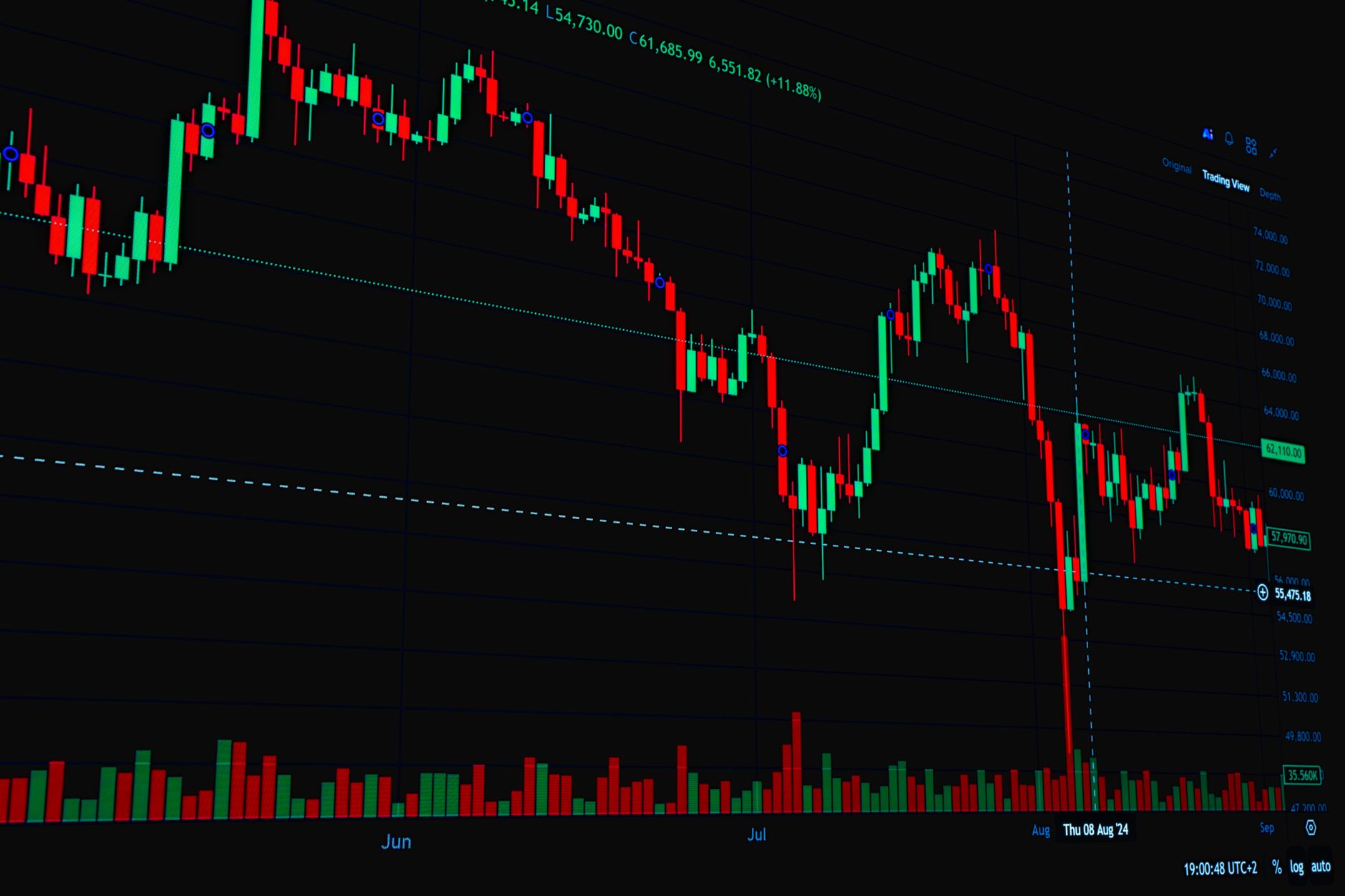
Cheap stocks valuation has become a hot topic among investors looking for great opportunities. In this article, we highlight five stocks that are surprisingly cheap based on their current valuations.
Understanding Stock Valuation
Understanding stock valuation is essential for investors looking to identify potential opportunities in the market. Stock valuation refers to the process of determining the intrinsic value of a company’s shares, which can help investors decide whether a stock is undervalued or overvalued. A cheap stocks valuation can reveal hidden gems that may not be on the radar of many investors.
Several methods can be employed to assess a stock’s value:
- Price-to-Earnings (P/E) Ratio: This is the most commonly used metric, comparing a company’s current share price to its earnings per share. A lower P/E ratio may indicate that a stock is undervalued.
- Price-to-Book (P/B) Ratio: This ratio compares a company’s market value to its book value. A P/B ratio under 1.0 can suggest a stock is trading for less than its actual worth.
- Dividend Yield: Stocks with a high dividend yield can be attractive, as they provide income while also indicating potential undervaluation.
By utilizing these methods, investors can uncover cheap stocks that possess strong fundamentals and growth potential.
Why These Stocks Are Undervalued
Investors often overlook certain stocks due to short-term market fluctuations or negative sentiment, leading to opportunities for savvy buyers. The stocks featured in this analysis represent companies that are fundamentally strong yet currently exhibit cheap stocks valuation.
There are several reasons these stocks are considered undervalued:
- Strong financials: Many of these companies boast solid balance sheets, consistent revenue growth, and healthy profit margins despite their low stock prices.
- Market sentiment: Negative news or external factors, such as regulatory changes or geopolitical issues, have disproportionately affected their stock prices, causing them to be undervalued.
- Growth potential: Some companies in this category are in sectors poised for growth, yet their current prices do not reflect their future earnings potential.
- High dividend yields: Despite lower valuations, several of these stocks continue to offer attractive dividends, providing investors with income while they wait for price appreciation.
By identifying and investing in these undervalued stocks, investors may gain substantial returns as the market corrects itself over time.
Key Metrics to Consider
When evaluating cheap stocks valuation, investors should focus on several key metrics that can indicate whether a stock is undervalued or not. These metrics provide insights into a company’s financial health and potential for growth.
- Price-to-Earnings (P/E) Ratio: This ratio compares a company’s current share price to its earnings per share. A lower P/E ratio may suggest that a stock is undervalued compared to its peers.
- Price-to-Book (P/B) Ratio: The P/B ratio measures a company’s market value relative to its book value. A P/B ratio under 1 indicates that the stock may be trading for less than its underlying assets.
- Dividend Yield: A higher dividend yield can be attractive to investors seeking income. Stocks with a solid dividend history may indicate stability and potential growth.
- Debt-to-Equity Ratio: This metric shows the proportion of debt a company uses to finance its assets. A lower ratio may indicate a more financially stable company.
By examining these key metrics, investors can make more informed decisions when considering cheap stocks valuation opportunities.
Market Trends Impacting Valuation
The current market environment is influencing the cheap stocks valuation landscape significantly. Investors are increasingly seeking opportunities that may have been overlooked due to broader economic concerns. Recent trends suggest that various sectors are experiencing fluctuations that could present attractive investment options.
One trend impacting valuation is the shift in interest rates. As rates rise, companies with high levels of debt may struggle, leading to decreased valuations. Conversely, companies with solid balance sheets may become more appealing, resulting in a reevaluation of their stock prices.
Additionally, geopolitical tensions and supply chain disruptions continue to create uncertainty in various markets. This volatility often leads to panic selling, which can drive down prices of fundamentally strong companies, thus presenting opportunities for savvy investors.
Moreover, advancements in technology and sustainable practices are reshaping industries. Companies adapting to these changes may find their valuations improving, even as others lag behind. Investors focusing on cheap stocks valuation should keep an eye on these trends to identify stocks that could rebound as market conditions stabilize.
Investing Strategies for Cheap Stocks
When it comes to investing in cheap stocks, having a solid strategy can significantly enhance your chances of success. Here are some effective strategies to consider:
- Conduct Thorough Research: Before investing, ensure to analyze the company’s financial health, including revenue, earnings, and debt levels. Understanding the fundamentals will help you identify truly undervalued stocks.
- Look for Growth Potential: Even cheap stocks valuation can be misleading if the company lacks growth prospects. Seek out companies that have demonstrated consistent growth in earnings or have innovative products and services that can drive future revenue.
- Keep an Eye on Market Sentiment: Sometimes, market fluctuations can lead to temporary dips in stock prices. Monitor market trends and sentiment to identify potential buying opportunities.
- Consider Diversification: Investing in a mix of cheap stocks can help mitigate risks. Diversifying your portfolio across different sectors can protect you from volatility in any single industry.
- Set Realistic Expectations: Understand that investing in cheap stocks valuation is not a guaranteed path to quick riches. Be patient and maintain a long-term perspective to see potential returns.
Risks of Investing in Cheap Stocks
Investing in cheap stocks can be enticing, but it is crucial to understand the potential risks involved. While low stock prices may indicate undervaluation, various factors can contribute to their cheap stocks valuation.
One significant risk is the potential for underlying issues within the company. These may include:
- Poor Management: Ineffective leadership can lead to strategic missteps and underperformance.
- Debt Levels: High debt can pose a risk during economic downturns, affecting the company’s ability to operate.
- Market Sentiment: Negative perceptions can result in prolonged low valuations, even if the fundamentals are sound.
- Sector Vulnerability: Some industries are more susceptible to economic shifts, making their stocks riskier.
Additionally, investors should be cautious about the liquidity of these stocks. Cheap stocks are often less liquid, which can make it challenging to buy or sell shares without impacting the stock price. It’s essential to conduct thorough research and consider both the potential rewards and the inherent risks before diving into investments in cheap stocks.
Expert Opinions on Valuation
Experts in the financial sector have weighed in on the current landscape of cheap stocks valuation, highlighting several companies that show potential for growth despite their low price points. Analysts emphasize the importance of looking beyond the surface when assessing these undervalued stocks.
According to financial analyst Jane Doe, “Investors often overlook companies like Vedanta and PFC, which have strong fundamentals but are trading at a fraction of their true value.” She suggests that these firms offer an excellent opportunity for long-term investment.
Another expert, John Smith, points out that “LIC Housing is another example of a stock that is currently undervalued.” He notes that its consistent earnings and solid market position make it a compelling choice for those seeking cheap stocks with potential upside.
In addition to strong earnings, experts recommend paying attention to other key metrics such as price-to-earnings ratios and debt levels. Ultimately, the consensus is that while cheap stocks valuation can indicate risk, it also presents a unique opportunity for savvy investors willing to conduct thorough research.
As the market continues to evolve, these stocks may become increasingly attractive to those looking for value.
Final Thoughts on Cheap Stocks
In conclusion, navigating the world of cheap stocks valuation can present both opportunities and challenges for investors. As we’ve explored, understanding the underlying factors that contribute to a stock’s low price is essential for making informed decisions. The undervaluation of certain stocks, as highlighted in our earlier sections, showcases the potential for significant returns if approached wisely.
Before diving into investments, it’s crucial to conduct thorough research and consider various metrics such as price-to-earnings ratios, debt-to-equity ratios, and overall market sentiment. Additionally, keeping an eye on market trends can provide insight into when to buy or sell these undervalued stocks.
However, investors should remain cautious of the inherent risks associated with cheap stocks. As the market fluctuates, some stocks may remain undervalued due to structural issues within the company or broader economic factors. Seeking advice from financial experts can also be beneficial in navigating these waters.
Ultimately, the journey into cheap stocks valuation requires a balanced approach, combining research with strategic investing to capitalize on potential growth opportunities.
Photo by Rafael Minguet Delgado on Pexels
Sources
You might also like
- Best Altcoin to Buy: Proven Picks for September 2026?
- Is Micro Gas Turbine Technology the Best Investment for Startups?
- Krsnaa Diagnostics stock worth a quick look after surge