

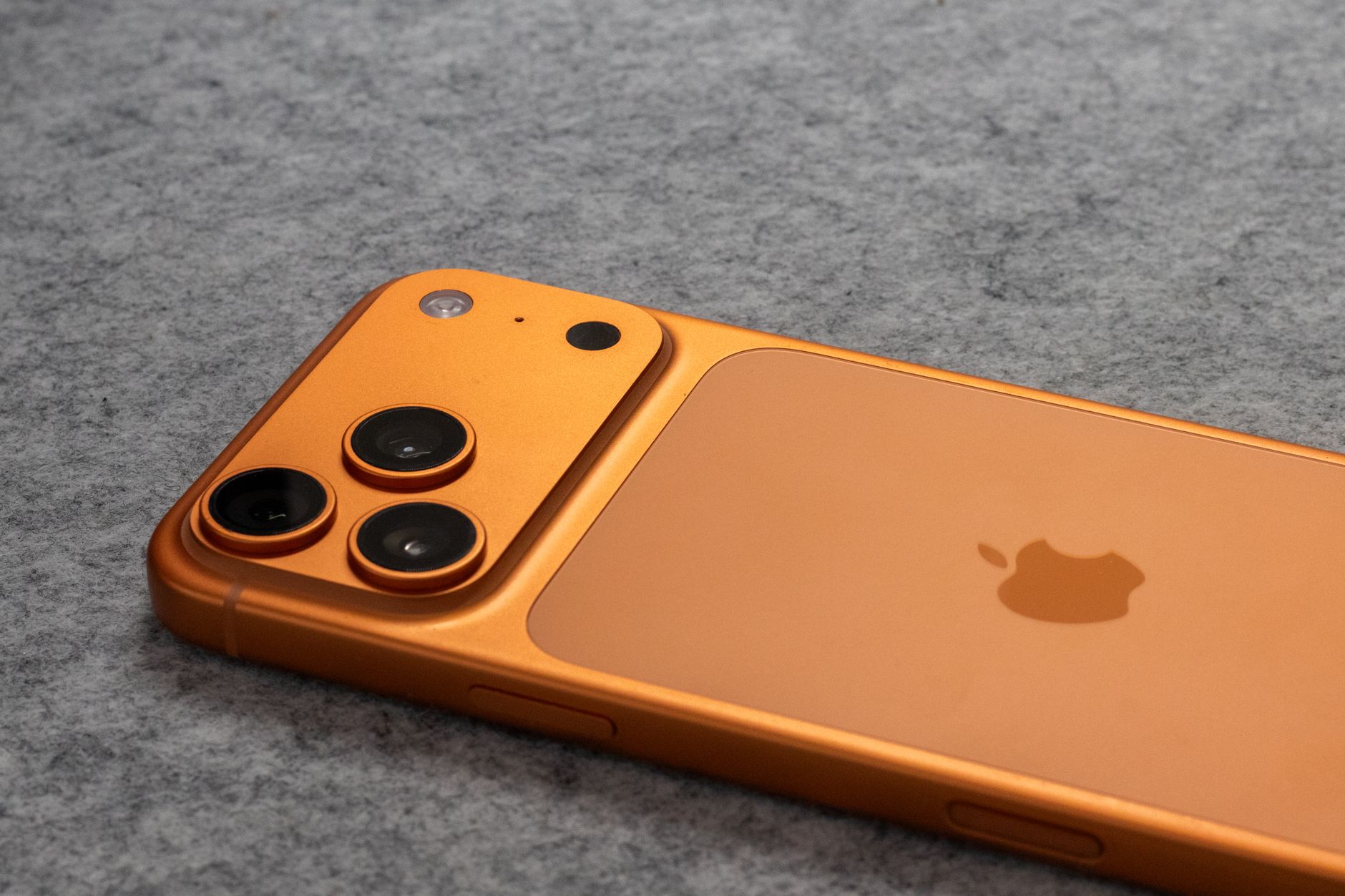
iPhone 18 Pro demand has softened significantly, prompting Apple to cut component orders. This shift signals changing consumer preferences and market dynamics.
Understanding iPhone 18 Pro Demand
Recent reports indicate a significant shift in the market regarding the iPhone 18 Pro demand. Apple has reportedly made drastic cuts to component orders for this latest model, suggesting a decline in consumer interest compared to previous releases. This move highlights a broader trend in the smartphone industry, where companies are facing challenges in maintaining sales momentum.
Several factors may be contributing to this unexpected downturn:
- Increased competition: Rival brands are launching innovative features that attract potential iPhone buyers.
- Economic concerns: Inflation and economic uncertainty have led consumers to be more cautious with their spending.
- Market saturation: Many users may be satisfied with their current devices, reducing the urgency to upgrade.
As Apple navigates these challenges, it remains to be seen how they will adapt their strategy to boost iPhone 18 Pro demand. Analysts suggest that focusing on enhancing features or introducing competitive pricing may be essential for reviving interest in the product line.
Apple’s Component Order Reductions
Apple’s recent decision to cut component orders for the iPhone 18 Pro has raised eyebrows in the tech industry, signaling a potential shift in consumer interest. As demand for the iPhone 18 Pro softens, the adjustments to the supply chain reflect a broader trend in the smartphone market.
Industry analysts suggest that several factors may be contributing to this decline in demand:
- Market Saturation: Many consumers are holding onto their devices longer, leading to fewer upgrades.
- Economic Factors: Rising inflation and economic uncertainties have made consumers more cautious with their spending.
- Competition: Competing brands are introducing innovative features that appeal to potential buyers.
Apple’s component order reductions could potentially impact the company’s revenue projections for the next quarter. As the tech giant navigates these challenges, it remains to be seen how this will affect the overall reception of the iPhone 18 Pro. Analysts are closely monitoring consumer sentiment to gauge the long-term implications of this shift in demand.
Market Reactions to Demand Changes
Market reactions to the recent news of Apple cutting iPhone 18 Pro component orders have been swift and varied. Analysts and investors are closely monitoring the implications of this decision, as it suggests a significant shift in consumer interest and spending habits.
Several key trends have emerged from this situation:
- Stock Market Impact: Apple’s stock experienced a noticeable dip following the announcement, reflecting investor concerns over the iPhone 18 Pro demand.
- Competitor Analysis: Rivals in the smartphone market are seizing the opportunity to capture potential customers who may be reconsidering their next purchase due to the perceived decline in Apple’s flagship model.
- Consumer Sentiment: Initial feedback from users indicates a mixed response, with some expressing disappointment over the lack of innovative features compared to previous models.
As the situation unfolds, it will be crucial for Apple to address these challenges and adapt its strategy to bolster iPhone 18 Pro demand. Industry experts remain vigilant, predicting further adjustments in production and marketing efforts to realign with consumer expectations.
Consumer Trends Impacting iPhones
Recent reports indicating a reduction in component orders for the iPhone 18 Pro have highlighted significant consumer trends impacting the smartphone market. As demand for the iPhone 18 Pro softens, several factors appear to be influencing purchasing behavior among consumers.
- Economic Uncertainty: Many potential buyers are hesitating due to economic conditions, leading to a more cautious approach when considering premium devices like the iPhone 18 Pro.
- Market Saturation: With a growing number of consumers already owning previous iPhone models, the urgency to upgrade has diminished, resulting in less robust demand.
- Competitive Landscape: Rival brands are introducing appealing alternatives, offering features that attract consumers away from Apple’s latest offerings.
- Price Sensitivity: The rising costs associated with premium smartphones have made consumers more price-conscious, prompting them to weigh the value of new features against their budget.
As these trends evolve, the implications for Apple’s strategy with the iPhone 18 Pro could be significant, potentially leading to further adjustments in their production and marketing approaches.
Future Predictions for iPhone Sales
As the tech industry continues to analyze the implications of Apple’s recent decision to cut iPhone 18 Pro component orders, future predictions for iPhone sales have become a topic of significant interest. The reduced demand for the iPhone 18 Pro may indicate shifts in consumer preferences and purchasing behavior, prompting analysts to reevaluate their forecasts.
Experts are suggesting several potential trends that could shape the future of iPhone sales:
- Alternative Models Gain Popularity: With the introduction of more budget-friendly options, consumers may be leaning towards models that offer competitive features at lower prices.
- Innovation Expectations: As the market evolves, consumers are increasingly seeking groundbreaking features. The lack of significant upgrades in the iPhone 18 Pro could lead to diminished interest.
- Economic Factors: Potential economic downturns may influence spending habits, further impacting the demand for premium devices like the iPhone 18 Pro.
- Increased Competition: Rival brands are intensifying their efforts, which may sway customers away from Apple products.
Overall, while the current iPhone 18 Pro demand appears to be softening, the future remains uncertain as Apple navigates these challenges.
Comparative Analysis with Previous Models
The demand for the iPhone 18 Pro has prompted a comparative analysis with previous models, shedding light on the shifting dynamics within the smartphone market. Historically, each new iPhone release has generated substantial excitement, often leading to heightened sales figures and robust demand. However, the current scenario reveals a stark contrast.
In previous years, models like the iPhone 12 and iPhone 13 saw soaring pre-order numbers and minimal cuts in component orders. For instance, the iPhone 12 experienced unprecedented popularity due to its 5G capabilities and enhanced camera features, resulting in a continuous surge in demand.
In contrast, the iPhone 18 Pro demand is facing challenges that have led Apple to implement its worst cut in orders for this model. Analysts have noted that:
- Market Saturation: Many consumers are content with their current devices.
- Economic Factors: Inflation and economic uncertainty are influencing purchasing decisions.
- Competition: Rivals are offering compelling alternatives at competitive prices.
This comparative analysis emphasizes the evolving landscape of consumer preferences and economic pressures affecting the iPhone 18 Pro demand.
Expert Opinions on Apple’s Strategy
Experts in the tech industry are weighing in on Apple’s recent decision to cut component orders for the iPhone 18 Pro, indicating a significant shift in demand. Analysts suggest that this move reflects broader consumer sentiment, which has been increasingly cautious in recent months.
- Market Saturation: Many believe that the smartphone market has reached a saturation point, making it difficult for even flagship models like the iPhone 18 Pro to maintain previous sales momentum.
- Pricing Strategies: Some experts argue that Apple’s premium pricing may be alienating potential buyers, suggesting that a reevaluation of pricing strategies could be beneficial in boosting demand.
- Technological Expectations: With rapid advancements in mobile technology, consumers may be delaying upgrades, hoping for even more innovative features in future models.
Moreover, the trend of rising competition in the smartphone market is forcing Apple to reassess its strategies. The current iPhone 18 Pro demand may serve as a critical indicator for the company, pushing it to innovate and adapt more quickly than ever before.
Conclusion: What This Means for Apple
The recent cuts in component orders for the iPhone 18 Pro signal a significant shift in consumer demand, reflecting broader trends within the smartphone market. Apple, known for its innovative products, faces challenges as it navigates this evolving landscape. The reductions in orders underscore a potential softening in demand for the iPhone 18 Pro, which may suggest that consumers are becoming more selective when it comes to premium devices.
Moreover, this situation could prompt Apple to reassess its strategies in product launches and marketing approaches. Investors and analysts are closely monitoring how this shift may affect Apple’s bottom line and overall market share. Some speculate that the company might need to adjust pricing strategies or introduce more appealing features to entice buyers.
In the long run, the future of the iPhone 18 Pro could hinge on Apple’s ability to adapt to changing consumer preferences. As demand fluctuates, understanding these trends will be crucial for Apple to maintain its leadership position in the smartphone industry. If the current trend continues, the implications for Apple’s product development and sales strategies could be profound.
The recent cut in orders highlights a significant shift in iPhone 18 Pro demand, raising concerns among analysts. As consumers reassess their priorities, iPhone 18 Pro demand may not rebound as quickly as expected.
Photo by thiago japyassu on Pexels
Where this came from
Related stories
- Park Aerospace Q2 earnings show clear growth despite cuts
- India top stocks market cap: The Worst Decline Explained
- Common Side Effects Season 2: What’s the Real Plan?