

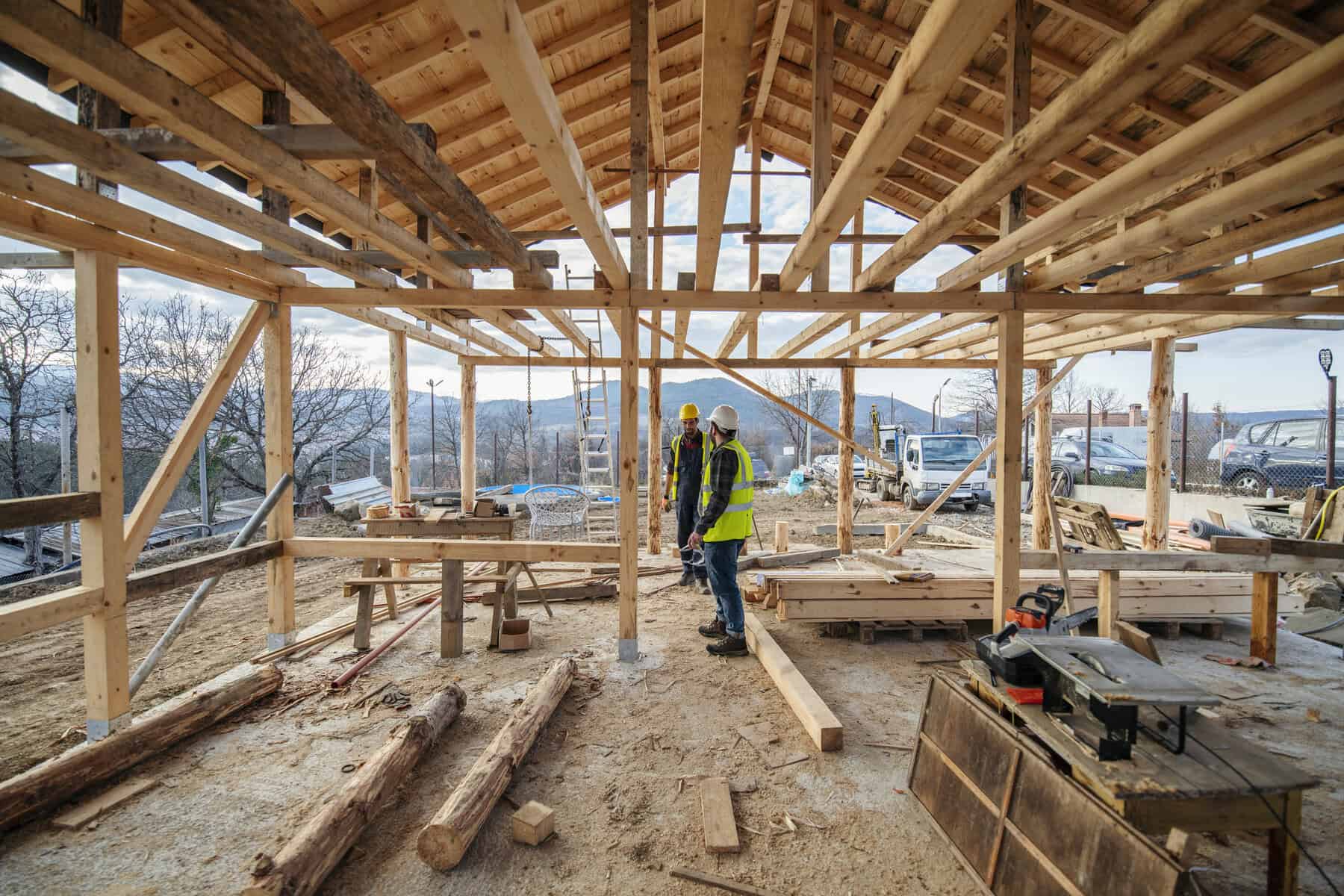
While starting the process of building a home in one of Craigieburn’s new estates may be an exciting opportunity, the process for receiving financing to build a home is quite different from buying a home that has been completed. Construction loans typically provide funding to the borrower during the construction phase of the project, typically based upon the completion of specific phases of the construction. Knowing how progress payments work will assist you with managing your finances, and keeping your project moving forward during all phases of construction.
What Is a Construction Loan?
A construction loan provides money to build a home. Rather than provide all the money for the loan before you begin building, the lender will release the money as needed as the home is being built. During the building process, you typically only pay interest on what has been disbursed to you.
Home loan brokers in Craigieburn who are well-versed can give you insight into the mechanics of home loans, assist in comparing different mortgage companies prior to signing a building agreement, and inform you on deposit criteria, product features of home loans, and which documentation you will likely be required to submit.
Understanding the Progress Payment Stages
Construction loans typically involve a number of payment stages. These are defined by your lender and the construction contract. However, many common stages include:
- Base stage: The foundations or slab are completed.
- Frame stage: The home’s frame is built and approved.
- Lock-up stage: External walls, roofing, windows and doors are in place.
- Fixing stage: Internal fittings, cabinetry and other fixtures are installed.
- Completion stage: The home is finished and ready for handover.
At every point along the process, the builder asks for money. Lenders may need an inspection of the work done or proof of expenditures made prior to giving out money. You should check if the payments outlined in your contract match what the lender wants to see. Doing so will help to lower the possibility of being delayed in receiving money or having a dispute over the money you owe.
Managing Your Budget During Construction
Construction may result in additional expenditures including but not limited to site work, upgrades and/or delays. Maintain a financial cushion and assess your budget prior to approving modifications. Variations in materials and/or design may impact not only the cost of construction but also the amount of money you will require to loan.
Mortgage brokers in Craigieburn can assist with understanding what the lender requires when they require a drawdown, what documentation is needed, and how repayment amounts may vary based upon the release of funds. These details can assist in planning for interest expenses during the build phase and preparing for the transition from a construction loan to a standard loan after the build has been completed.
Get Ready Before Building Begins
Before you begin building, ensure that all required documentation (plans, permits, fixed price agreement, contractor information) is complete and in order for the loan. Also find out what is typical for the amount of time it takes to conduct inspections and make progress payments on projects like yours. Knowing this will help you establish realistic expectations with your builder regarding project completion.
Reviewing your builder’s payment schedule is another good idea. Additionally, find out what happens when a construction job is delayed. Copies of invoices, approval letters, and communications with lenders will allow you to monitor the progress of your building project and resolve any issues promptly.
Home loan brokers in Craigieburn are there to assist you when preparing your application and to find the most suitable loans for your needs. Mortgage brokers in Craigieburn will also be able to guide you through all the stages of obtaining a loan, help you control your money and allow you to concentrate on constructing your new home.
 Donna Walker