

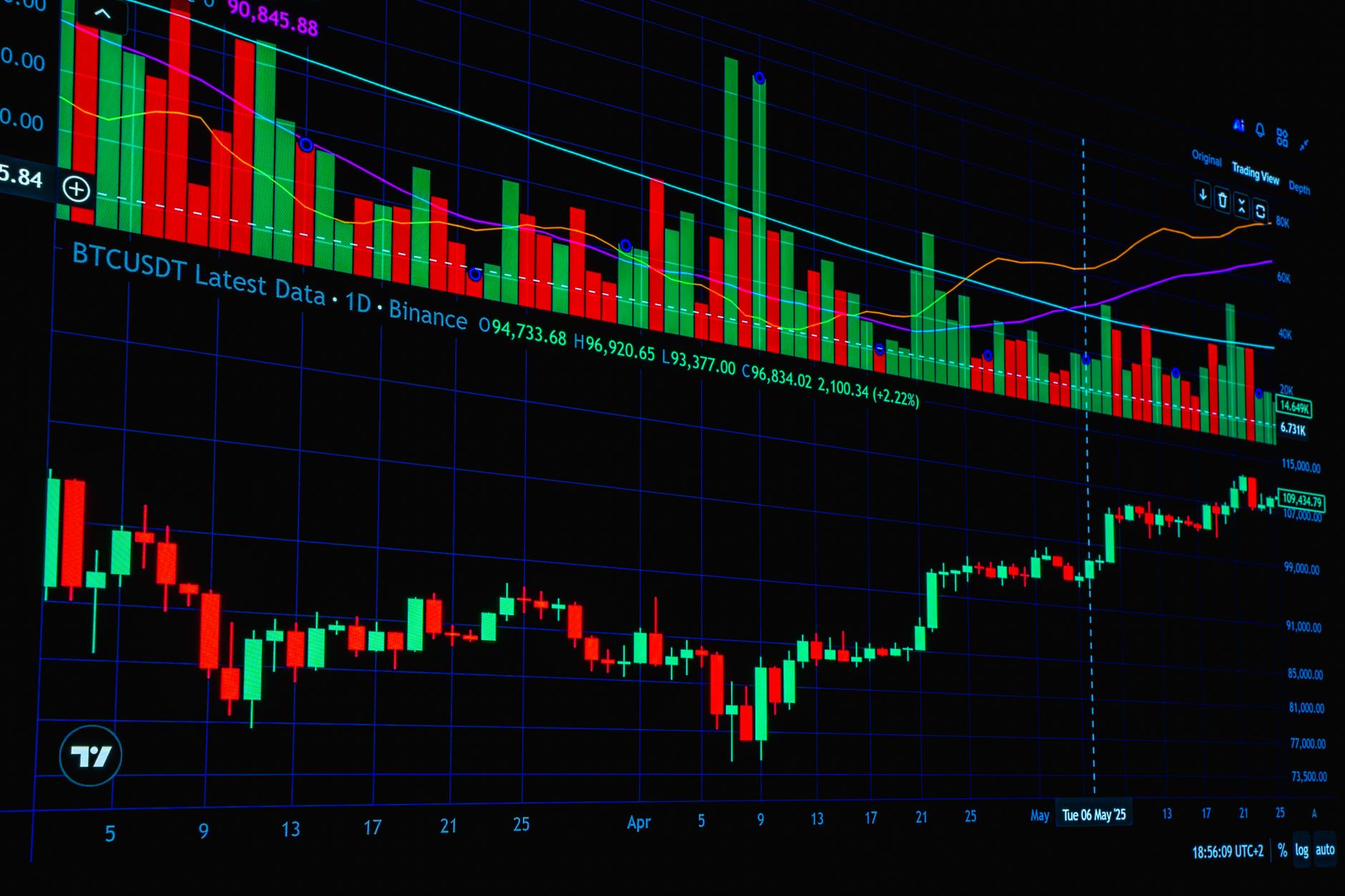
Nebius stock forecast has taken a hit following the company’s decision to cut its 2026 revenue expectations. This move has raised concerns among investors about the firm’s future performance.
Understanding the Revenue Cut
The recent announcement from Nebius regarding its revenue forecast for 2026 has raised significant concerns among investors and analysts alike. The company has cut its revenue projections, which has led to a notable drop in its stock price. Understanding the implications of this revenue cut is crucial for evaluating the future of Nebius stock.
Several factors contribute to the negative sentiment surrounding the revised forecast:
- Market Competition: Increased competition in the sector has put pressure on Nebius, making it challenging to maintain its market share and revenue growth.
- Operational Challenges: The company has faced operational hurdles that have hindered its ability to execute its business strategy effectively.
- Economic Factors: Broader economic trends, including inflation and changing consumer behaviors, have affected Nebius’s performance, leading to the need for a revenue cut.
As analysts delve into the details of the Q3 earnings report, the focus will be on how these challenges might impact the Nebius stock forecast moving forward. Investors are particularly interested in whether the company can navigate these issues and regain investor confidence, which will be critical for its long-term viability.
Impact of Q3 Earnings on Stock
The recent Q3 earnings report from Nebius has sent shockwaves through the investment community, raising significant concerns about the company’s financial trajectory. Investors anticipated a robust performance; however, the reality proved to be quite different, leading to a notable decline in the stock price.
During the earnings call, management disclosed a drastic cut to their revenue forecast for 2026, which surprised analysts and investors alike. This revision has led to a reevaluation of Nebius’ growth potential and overall market position. Key factors contributing to this revenue cut include:
- Increased competition in the tech sector, impacting market share.
- Supply chain disruptions that have hampered production capabilities.
- Higher operating costs that have squeezed profit margins.
As a result of these revelations, analysts are now revising their Nebius stock forecasts. Many are expressing caution, emphasizing the need for the company to demonstrate a solid recovery strategy in the coming quarters. The unexpected earnings drop and revenue adjustments have left investors wary, with some questioning the sustainability of Nebius’ business model in the current economic climate.
Ultimately, the impact of the Q3 earnings on stock performance may linger, as stakeholders await further clarity on the company’s path forward and its ability to navigate these pressing challenges.
Investor Reactions to Forecast Changes
Investor sentiment has shifted dramatically following the recent announcement regarding Nebius stock forecast changes. The company’s decision to cut its 2026 revenue projections has left many shareholders feeling uneasy about the future.
In response to the news, several investors took to social media platforms to express their concerns. The general consensus indicates that many were caught off guard by the severity of the revenue cut. Some highlighted the need for greater transparency from the company regarding its financial strategies.
- Stock Sell-Off: A notable pattern has emerged as investors began selling off their shares, leading to a significant drop in stock price.
- Increased Scrutiny: Analysts are now paying closer attention to Nebius, with many suggesting a thorough review of the company’s operational efficiency.
- Future Projections: The revised forecasts have led to questions about the company’s long-term viability, prompting investors to reevaluate their positions.
Some analysts suggest that the reduced revenue expectations could be a sign of deeper issues within the company, further amplifying investor fears. As discussions around the Nebius stock forecast continue, the market remains cautious, awaiting further clarification from company executives.
Future Projections for Nebius
The recent adjustments to Nebius’ revenue projections have raised significant concerns among analysts and investors alike. With the company cutting its 2026 revenue forecast, the question remains: what does the future hold for Nebius stock? The implications of these changes could be far-reaching.
Analysts are now revisiting their models and expectations for the company. A few key points have emerged during these discussions:
- Market Sentiment: Investor confidence appears shaken, leading to increased volatility in Nebius stock prices.
- Competitor Analysis: As competitors strengthen their positions, Nebius may struggle to regain its foothold in the market.
- Long-Term Growth Prospects: Questions surrounding Nebius’ ability to innovate and adapt to changing market conditions are prevalent.
- Potential Recovery Strategies: Investors are keen to see how management plans to address these revenue challenges moving forward.
In light of these factors, the Nebius stock forecast now appears more uncertain than ever. The company’s future profitability will largely depend on its response to these challenges and its ability to convince the market of its growth potential in the coming years. Stakeholders are urged to stay informed and consider the evolving landscape as they make decisions regarding their investments.
Comparative Analysis with Competitors
The recent revenue cut for Nebius has raised significant concerns among investors, prompting a closer look at the company’s position in relation to its competitors in the market. As Nebius works to adjust its 2026 revenue forecast, it is imperative to compare its performance with similar companies in the sector.
Several key players in the industry have managed to maintain steady revenue growth despite economic fluctuations. Their ability to adapt to changing market conditions underscores the competitive challenges Nebius now faces. For instance, companies like TechPro and DataStream have reported consistent earnings and optimistic forecasts, showcasing their resilience and effective management strategies.
Investors are particularly concerned about Nebius’s declining market share, which has been exacerbated by the recent forecast adjustments. The Nebius stock forecast is now under scrutiny as analysts weigh the implications of the company’s reduced earnings potential against its competitors’ positive trajectories.
Furthermore, a comparative analysis of growth metrics reveals that Nebius trails behind its rivals in key performance indicators such as customer acquisition and retention rates. This gap highlights the urgent need for Nebius to implement strategic changes to regain its competitive edge.
The outlook for Nebius remains uncertain as it navigates these challenges, and investors will be watching closely to see how it addresses its revenue concerns moving forward.
Market Trends Affecting Nebius
The recent cut in Nebius’ revenue forecast for 2026 has raised significant concerns among investors and analysts alike. A closer examination of market trends reveals several factors that could be influencing Nebius stock performance.
- Increased Competition: The tech industry is experiencing rapid innovations and shifts, leading to heightened competition. Companies that were once niche players are now becoming formidable competitors, putting pressure on Nebius to maintain its market position.
- Economic Uncertainty: Broader economic conditions, including inflation and fluctuating consumer demand, are impacting many sectors. Investors are particularly wary of how these factors might affect Nebius’ growth trajectory and overall profitability.
- Investor Sentiment: The negative reaction to the recent revenue forecast cut reflects a shift in investor sentiment. Many are reconsidering their positions, leading to increased volatility in Nebius stock.
- Technological Advancements: As technology evolves at a rapid pace, companies must adapt quickly to remain relevant. Failure to innovate could hinder Nebius’ growth, further exacerbating concerns about its long-term viability.
These trends suggest that the outlook for Nebius may be more precarious than previously thought. As the market continues to evolve, investors will be closely monitoring how these factors influence the Nebius stock forecast moving forward.
Conclusion and Key Takeaways
In conclusion, the recent developments surrounding Nebius have raised significant concerns for investors and analysts alike. The company’s decision to cut its 2026 revenue forecast has undoubtedly caused ripples in the market, leading to a sharp decline in its stock price. Understanding the implications of this revenue cut is crucial for stakeholders who are closely monitoring Nebius stock forecast trends.
Key takeaways from the analysis indicate that the company faces several challenges, including:
- Increased Competition: Nebius is navigating a crowded marketplace, where rivals are consistently innovating and capturing market share.
- Market Trends: Shifts in consumer preferences and economic conditions are impacting the company’s growth trajectory.
- Earnings Performance: The Q3 earnings report highlighted weaknesses that investors were previously unaware of, leading to decreased confidence in the company’s management.
- Investor Sentiment: Reactions to the revised forecasts suggest a growing skepticism regarding Nebius’s ability to meet future projections.
As Nebius works to address these concerns, it is imperative for investors to remain vigilant and informed. Continuous monitoring of the company’s strategies and market positioning will be essential in understanding the future landscape of Nebius and its stock performance.
The recent revenue cut has led analysts to reevaluate the Nebius stock forecast, raising alarms about the company’s financial health. Investors are now closely watching the Nebius stock forecast for signs of recovery or further decline.
Photo by Rafael Minguet Delgado on Pexels
Sources
Related reading
- Oil India profit announcement: Is it the best news for investors?
- Bitcoin ETFs losses: What are the worst impacts for investors?
- Bitcoin ETF Impact: A Smart Move for BlackRock Stock