

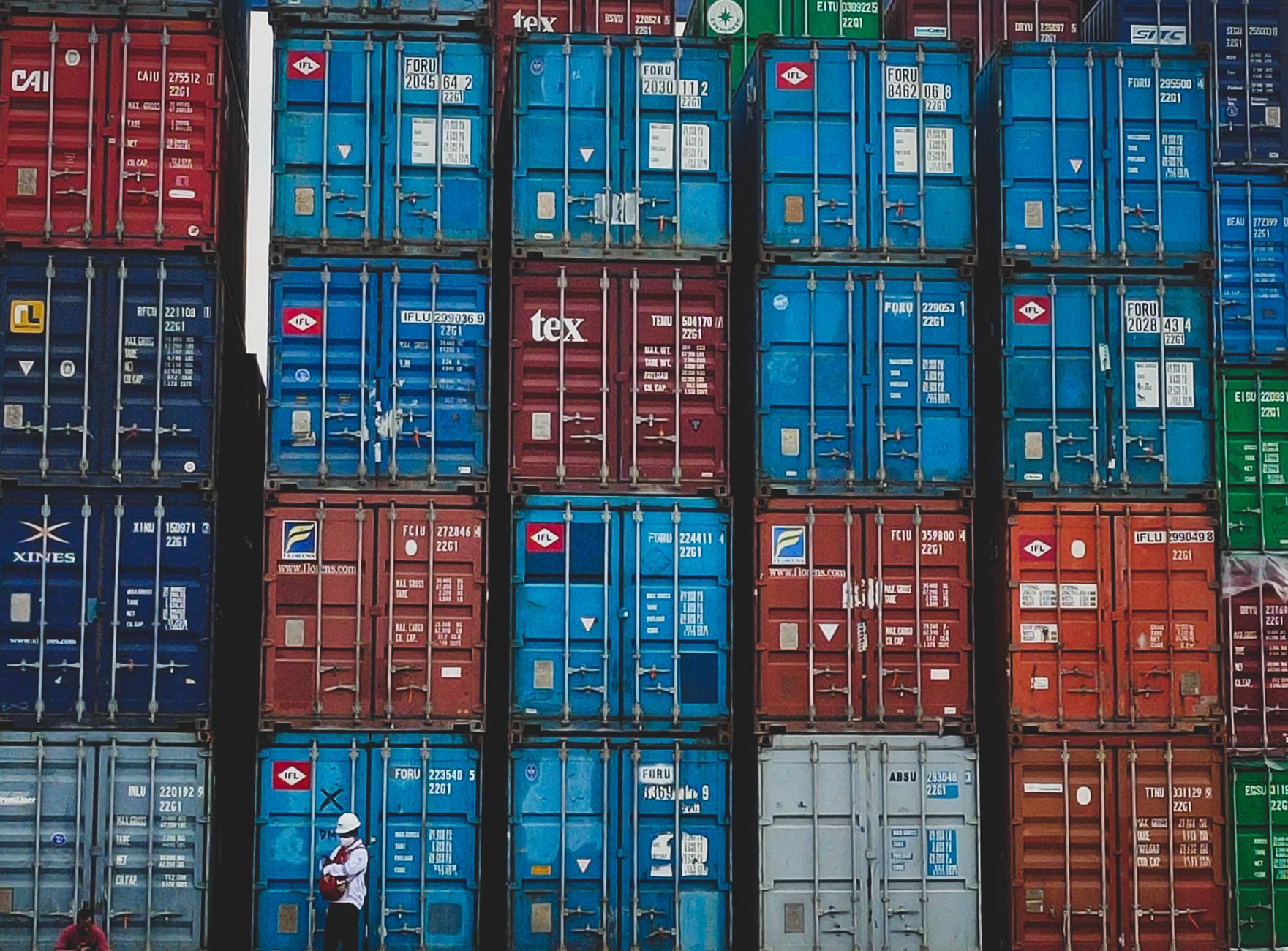
Global container freight rates have risen dramatically, increasing by 130% since February amid escalating tensions in the Middle East. This surge poses challenges for the logistics industry.
What Caused the Surge in Freight Rates?
Recent events in the Middle East have significantly impacted global container freight rates, leading to a remarkable surge of 130% since February. This escalation can be attributed to a combination of geopolitical tensions and supply chain disruptions that have reverberated across the shipping industry.
One of the primary factors driving this increase is the ongoing conflict in the region, which has raised concerns about the security of maritime routes. As a result, shipping companies are compelled to reroute vessels, leading to longer transit times and increased operational costs. This situation has created uncertainty in the market, prompting carriers to raise freight rates in response to heightened risks.
Additionally, the demand for goods has remained robust as economies continue to recover from the pandemic. This heightened demand, coupled with limited shipping capacity due to the aforementioned tensions, has created a perfect storm for rising global container freight rates.
Key contributors to this phenomenon include:
- Geopolitical tensions: Increased military activities and threats can disrupt shipping routes.
- Supply chain disruptions: Limited availability of vessels leads to delays.
- Rising demand: A recovering global economy boosts the need for shipping services.
Understanding these factors is crucial for businesses and consumers alike, as they navigate the challenges posed by fluctuating freight costs.
Impact on Global Trade and Logistics
The recent surge in global container freight rates has profound implications for global trade and logistics. As shipping costs continue to climb, businesses worldwide are grappling with increased expenses, which may ultimately be passed on to consumers. This situation is particularly challenging for small and medium-sized enterprises that operate on tight margins and rely heavily on international shipping.
The rise in freight rates, which has seen an increase of 130% since February, has disrupted supply chains and created uncertainty in the market. Companies are now facing delays in deliveries, leading to stock shortages and affecting their ability to meet customer demand. Furthermore, these challenges have resulted in a ripple effect across various sectors, including retail, manufacturing, and agriculture.
As logistics companies adjust to the new landscape, many are exploring alternative strategies to mitigate the impact of rising costs. Some are investing in technology to improve efficiency, while others are seeking to diversify their shipping routes. In this rapidly changing environment, understanding the dynamics of global container freight rates is crucial for businesses aiming to navigate the complexities of international trade.
Ultimately, the ongoing fluctuations in shipping costs will likely shape the future of global trade and logistics, influencing everything from pricing strategies to inventory management.
Predictions for Future Freight Rates
As the global shipping industry navigates ongoing geopolitical tensions and supply chain disruptions, predictions for future freight rates remain uncertain. Experts suggest that the volatility in container freight rates could continue, influenced by factors such as fluctuating oil prices, port congestion, and changes in demand patterns.
Market analysts forecast several scenarios for the coming months:
- Stabilization of Rates: Some analysts believe that as supply chain issues are addressed and shipping capacity increases, global container freight rates may stabilize, potentially returning to pre-pandemic levels.
- Continued Volatility: Others warn that ongoing geopolitical tensions, particularly in the Middle East, may keep rates elevated, leading to further unpredictability in the market.
- Long-term Increases: A more cautious outlook suggests that structural changes in the industry, including increased environmental regulations and shifts in trade routes, could result in long-term increases in freight rates.
Given the interconnected nature of global trade, the implications of these predictions are significant. A sustained rise in global container freight rates could further strain businesses, leading to increased costs for consumers and potential shifts in purchasing behavior. As the situation develops, stakeholders must remain vigilant and adaptable to navigate the challenges ahead.
Understanding the Middle East’s Role in Shipping
The Middle East plays a crucial role in the global shipping industry, significantly influencing global container freight rates. This region is a key transit hub for oil and gas, and any disruptions here can cause ripple effects throughout the global economy. Tensions in the Middle East, particularly in areas like the Strait of Hormuz, have historically led to fluctuations in shipping routes and costs.
In recent months, increased geopolitical tensions have resulted in a sharp rise in freight rates. According to a report by Jefferies, global container freight rates have surged by 130% since February, largely driven by instability in this vital region. The implications of these rising costs are profound, affecting not just shipping companies but also consumers worldwide.
Several factors contribute to the Middle East’s influence on freight rates:
- Strategic Location: The Middle East is a critical juncture for international shipping routes.
- Oil Supply Chains: Disruptions in oil supply can lead to increased shipping costs.
- Geopolitical Risks: Political instability can lead to higher insurance premiums for shipping companies.
As tensions persist, stakeholders in the shipping industry must remain vigilant, adapting to the dynamics that the Middle East presents to global container freight rates.
Photo by Fakhri Abbas on Pexels
References
EPFO First-Time Workers: Best Simple Guide to Eligibility · Sensex Nifty trade flat: Is it the Worst Market Day Ever? · Nigerian banking market: The Best Strategy for Success